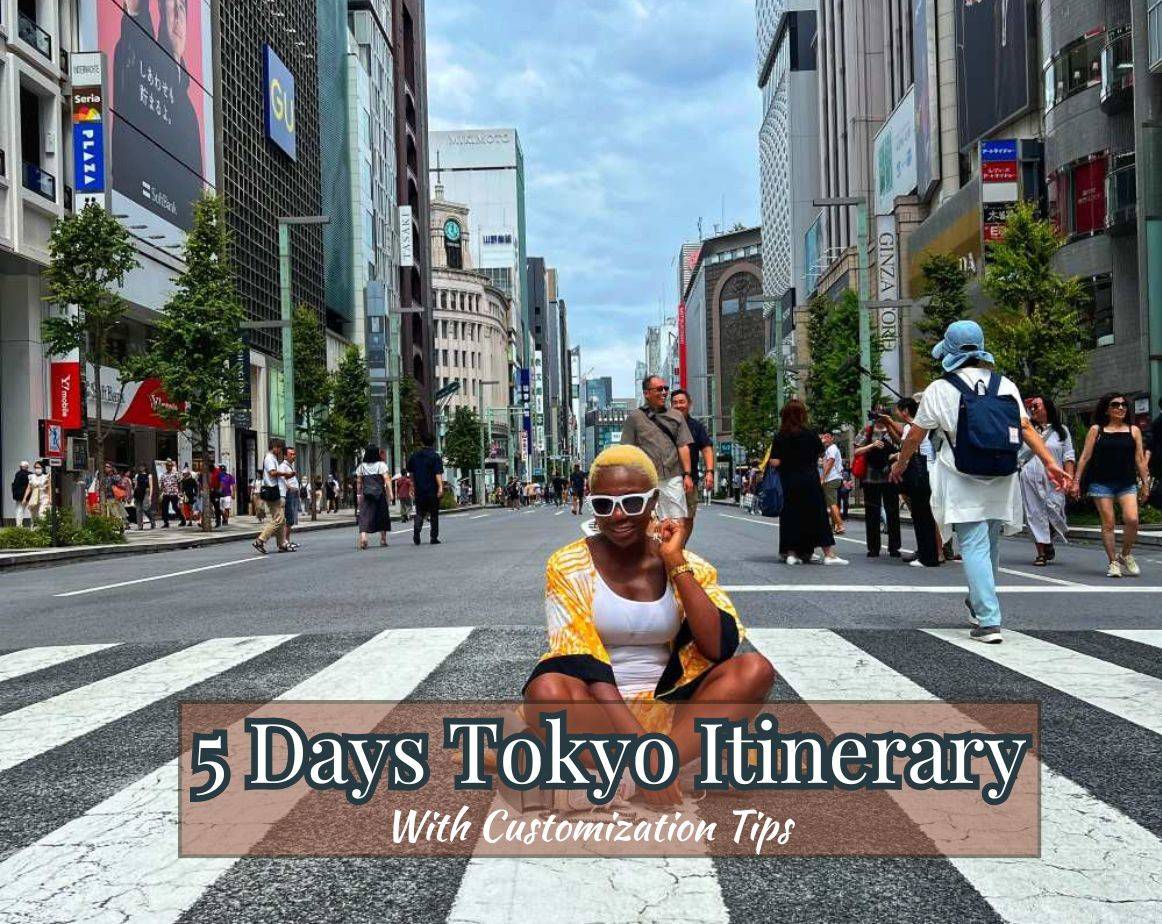
5 Days In Tokyo Itinerary (+ Customization Tips)
I love living in Tokyo, and I love it when my loved ones get to experience Tokyo, even if only for a few days! I’ve hesitated to write itinerary posts because there is so much to do in Tokyo. I truly believe that no two Tokyo itineraries should be the same. After living in Tokyo for 2.5 years, I still know that I haven’t even scratched the surface of all that this city has to offer. But, it is my hope that this itinerary and the customization tips help you craft your own unique 5-day Tokyo itinerary.
5 days is the sweet spot for Tokyo—it’s enough time to see major highlights without feeling rushed. This itinerary is for first-timers, solo travelers, couples, and anyone wanting a balanced trip. Expect a mix of modern and traditional, iconic sights and hidden gems, with flexibility built in. I’ll share a detailed day-by-day itinerary PLUS customization options for different travel styles. I have to warn you though, these make for long-ish days, so please adjust as needed to suit your priorities.
Affiliate Disclosure: This post contains affiliate links for tours, accommodations, and experiences in Tokyo. If you book through these links, I may earn a small commission at no extra cost to you. This helps support my blog and allows me to keep creating free travel guides. I only recommend services I’ve used or thoroughly researched. Thank you for your support!
BEFORE YOU GO TO TOKYO
When to Visit Tokyo
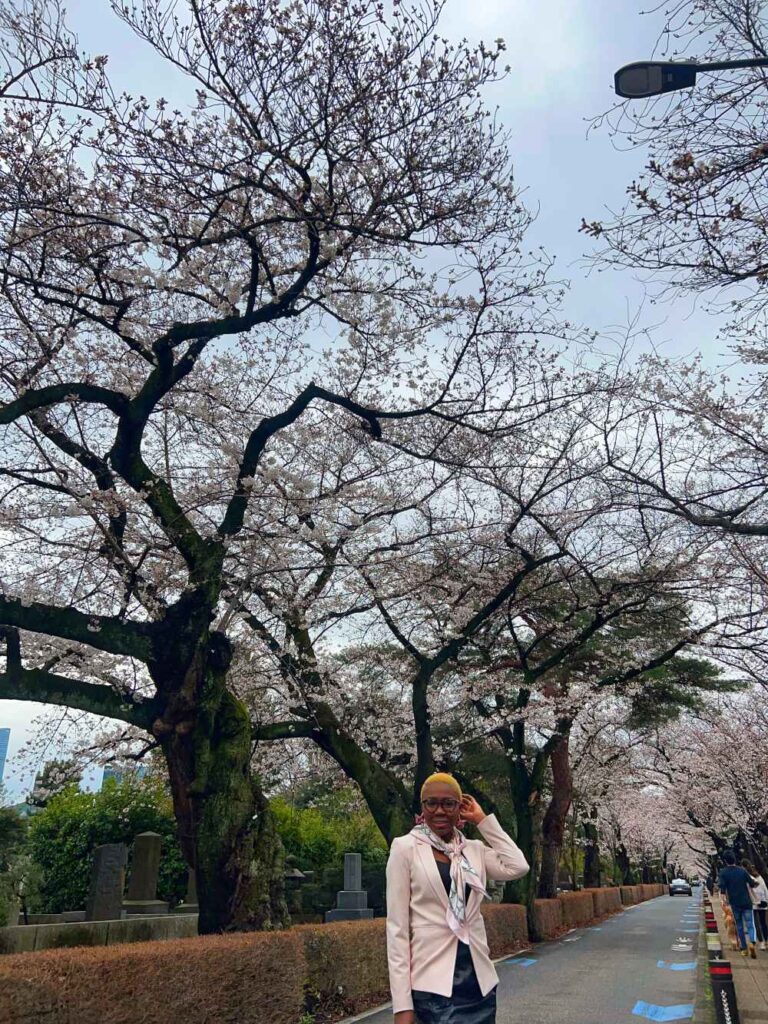
Best times: Spring (cherry blossoms, March-April) or fall (September-November) for pleasant weather and beautiful autumn scenery.
Avoid if possible:
- Golden Week (late April/early May) – Very crowded with locals traveling
- Obon (mid-August) – Major holiday, many businesses close
- New Year (December 29-January 3) – Tokyo goes quiet, many restaurants and shops closed
- Summer (July-mid September) – Hot and humid. I don’t recommend it, but if it’s your only option, it’s doable with air-conditioned breaks.
My honest take: If you’re limited on time, come whenever your schedule allows. Tokyo is incredible year-round—just adjust your expectations based on the season.
Getting Around Tokyo
The Suica or Pasmo card is an absolute must-have for getting around Tokyo. Get it at the airport (preferred) or download the mobile app—it makes navigating trains seamless.
Google Maps works perfectly for trains, walking directions, and transit timing. Trust it completely.
Trains are king: JR lines, Tokyo Metro, and private rail lines connect every corner of the city. The trains are clean, quiet, efficient, and honestly part of the Tokyo experience. I love public transportation, and Tokyo’s system doesn’t get better than this.
Taxis exist (yes, Uber is now in Tokyo), but I wouldn’t recommend relying on taxis. You’ll miss the rhythm of the city. Walking + trains = the real Tokyo experience.
Transport budget: ¥1,000-2,000/day if staying and traveling within Tokyo and using trains.
Where to Stay In Tokyo
This deserves its own post (coming soon!), but here’s a preview on where to stay in Tokyo plus an unpopular opinion about the neighborhoods most bloggers recommend.
Good Options:
- Shibuya – Trendy, younger vibe, great nightlife but not as chaotic as Shinjuku
- Akasaka – One of my top recommendations- underrated, convenient, local feel, great food scene
- Asakusa – Traditional atmosphere, near Senso-ji Temple, quieter and more residential
- Ginza – Upscale, polished, convenient for shopping and dining
- Ikebukuro – Budget-friendly, good transport links, less touristy, anime/otaku culture
My Hot Take: Skip Shinjuku (Unless You’re in Your Twenties)
Most bloggers recommend Shinjuku as THE place to stay. I wholeheartedly disagree. Visit Shinjuku, absolutely, but don’t stay there unless you’re young and want to be in the thick of chaos 24/7. It’s loud, crowded, and overwhelming as a home base.
The Reality: There’s no single “downtown” in Tokyo. Tokyo is a collection of neighborhoods, and many of them make excellent home bases. Don’t stress about finding the “perfect” area.
My Ultimate Recommendation:
Stay in any neighborhood within a 5-minute walk of a major train line/station. You absolutely do NOT need to stay on the JR Yamanote line (another popular and FALSE tip). From there, you can get anywhere in Tokyo quickly. Proximity to transit > specific neighborhood hype.
What to Pack
When traveling to Tokyo, here’s what to make sure you pack the following things. PS. You should plan to buy some souvenirs from Japan. Check out my Japan souvenir suggestions.
- Comfortable walking shoes (you’ll walk 15,000+ steps/day without trying)
- Layers (Tokyo weather can be unpredictable)
- Breathable clothing from May to September
- Cash + coin purse (many places still cash-only)
- Portable charger
- Slip-on shoes (temples, some restaurants require removing shoes)
- Day bag/backpack
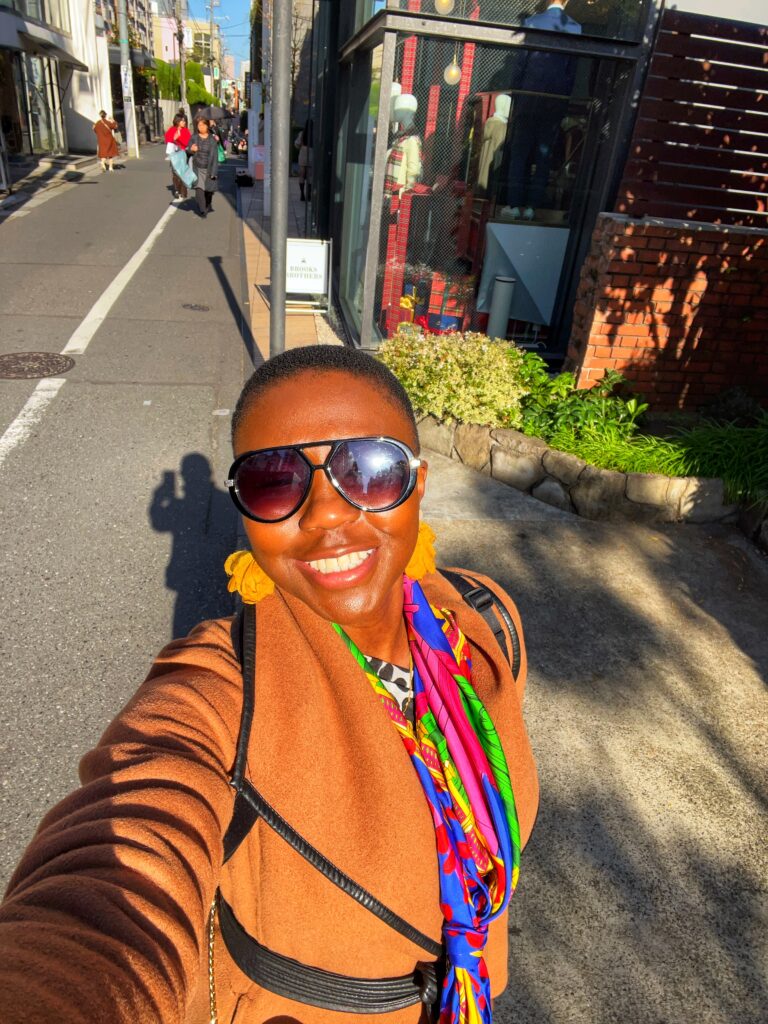
5-DAY TOKYO ITINERARY
Now, let’s get into it. This itinerary balances iconic sights, local experiences, and flexibility. Feel free to swap days or activities based on your interests – customization options are included throughout!
Overview
Day 0 – Arrival
Day 1 – A Park, A Shrine, and The City! – All of the lights!
Day 2 – Traditional Tokyo, Electric Town, and an experience to remember
Day 3 – Food, Experiences, & Luxury
Day 4 – A Day Trip – Going Beyond Tokyo
Day 5- Hidden Gems & A Flexible Final Day
Day 0 : ARRIVAL DAY
Today is for settling in. Don’t be too ambitious on Day 1. Because, if you’re coming from Europe and North America, the jetlag is REAL! So get your IC card and eSIM sorted, settle in, have dinner near your hotel, and try to stay up until at least 8pm if you can. We really get going tomorrow.
DAY 1: MODERN TOKYO – Shibuya, Harajuku, Omotesando, & Shinjuku
Quick reminder: Tokyo is NOT a morning city. Parks and shrines are pretty much the only places open to tourists before 10am-ish, so we’re starting there.
Day 1 Morning (8 am-12 pm)
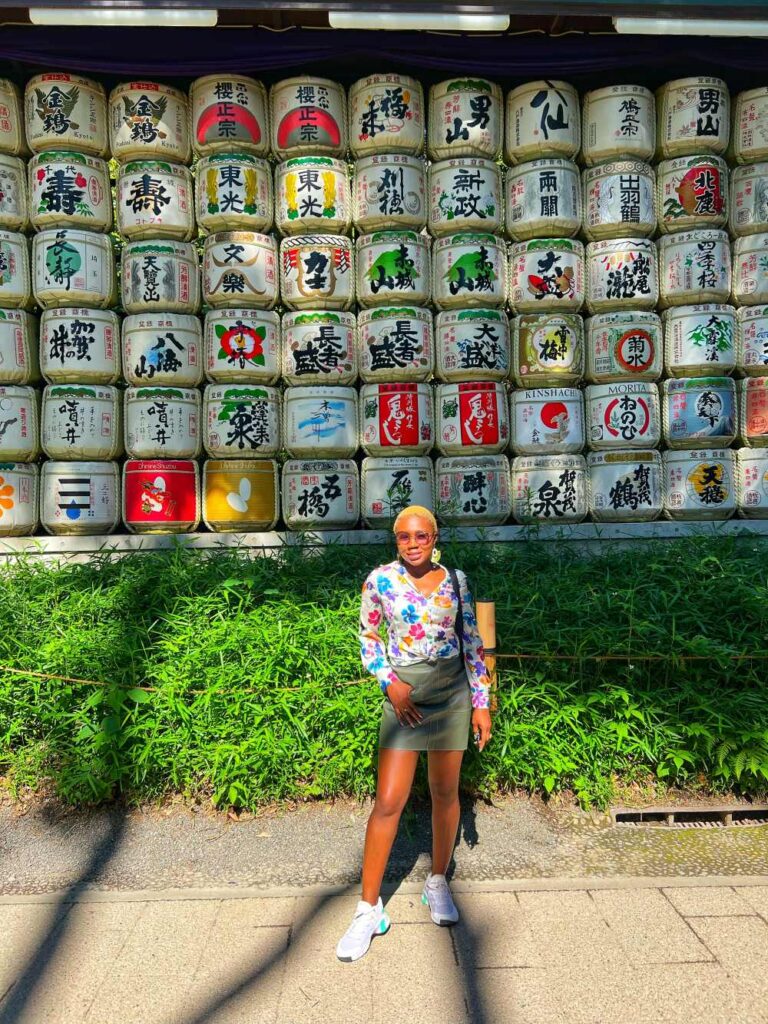
Meiji Jingu Shrine
Start your Tokyo exploration at this peaceful Shinto shrine with a beautiful forested walk (30-45 min).
Cost: Free
Yoyogi Park (1 hour)
Tokyo’s “Central Park” is right next to Meiji Jingu. Once you’re done at the shrine, wander through Yoyogi Park.
Cost: Free
Insider tip: Yoyogi Park hosts activities almost every weekend—festivals, performances, street musicians, dancers, and more. Weekends are especially lively and a great way to stumble into something unexpected!
Takeshita Street – Harajuku
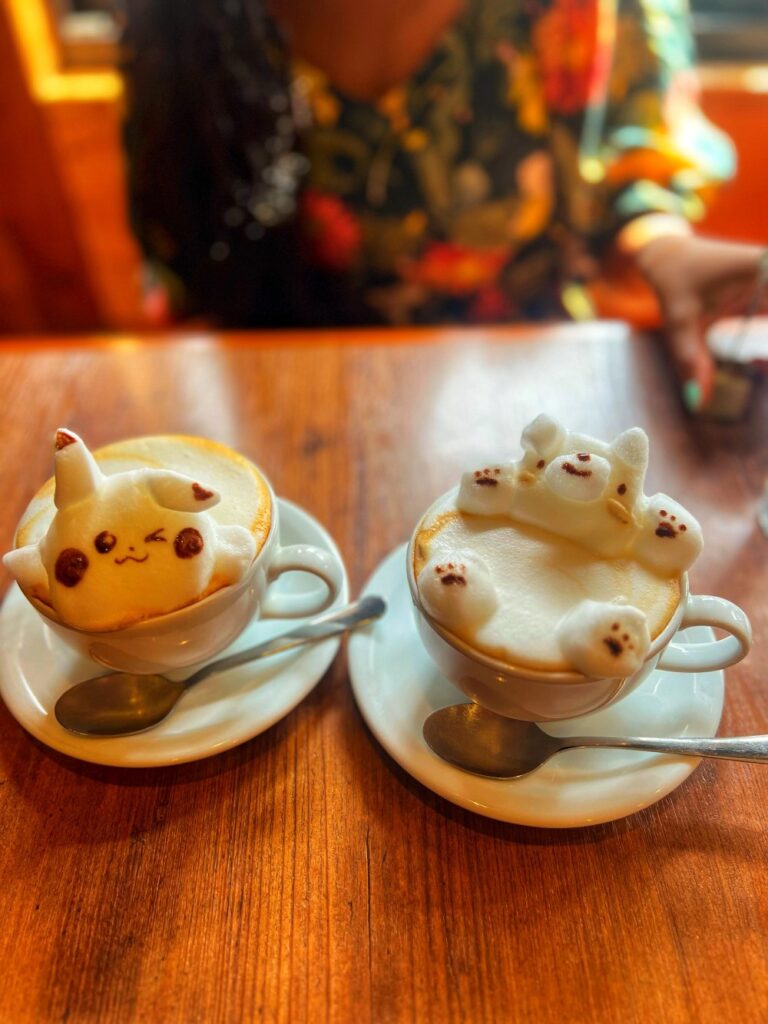
Head to Takeshita Street for quirky fashion, kawaii culture, crepe stands, and purikura photo booths. Spend as much or as little time here as you want—try street food or pop into Cafe Reissue (cash only) for Instagram-worthy latte art and a quick bite.
Optional Stop: Cosme
If Japanese beauty products are on your shopping list, check out the flagship @cosme store in Harajuku. It’s Japan’s largest experiential cosmetics specialty store—worth browsing even if you don’t buy anything on Day 1. Come back later in the trip once you know what you want.
Omotesando/Aoyama
One of my favorite neighborhoods in Tokyo. Omotesando is known for its tree-lined boulevard, stunning architecture, and high-end boutiques (Prada, Dior, Loewe, Polène—you name it). But don’t sleep on the independent boutiques like City Tokyo or Loveless, and vintage designer shops (QOO Vintage, Amore, Casanova Vintage, and Kohmenyo) tucked into the side streets in Aoyama.
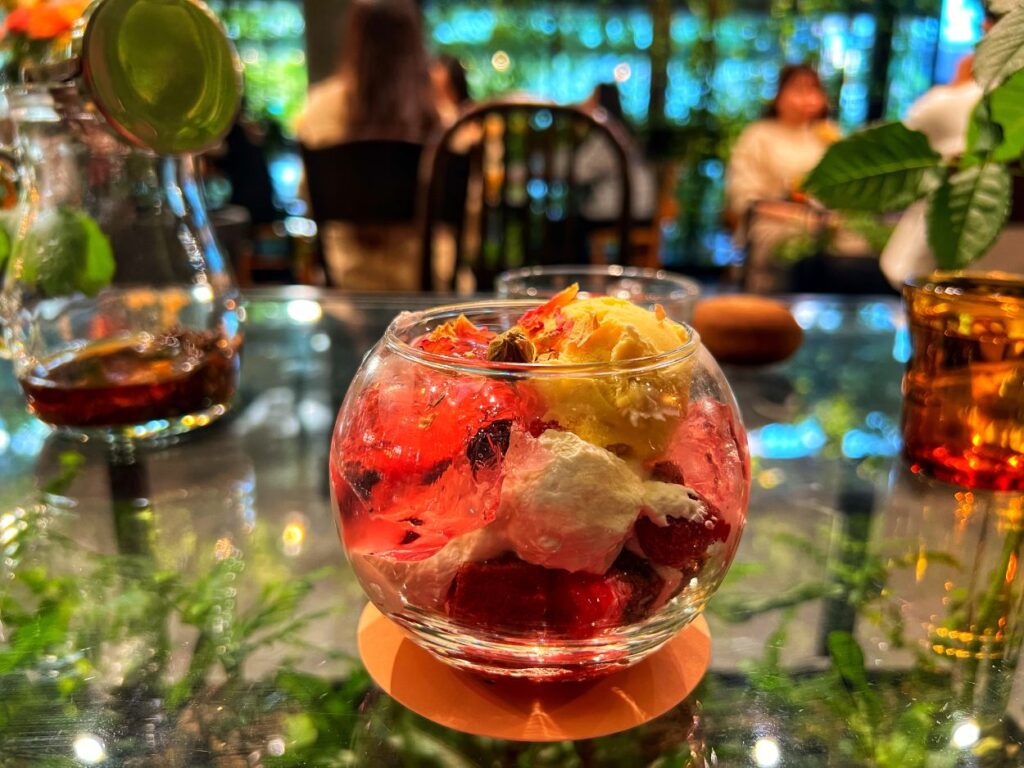
Beyond shopping, Omotesando/Aoyama is packed with incredible restaurants and cafes. I love Aoyama Flower Market Tea House for a beautiful, light lunch (in what feels like a greenhouse) or coffee break.
Omotesando vs. Ginza For Shopping: Both are upscale shopping districts, but Omotesando is younger, trendier, and more fashion-forward (think award-winning architecture and indie boutiques), while Ginza (Day 3) is traditional luxury and department stores. If you only have time for one, Omotesando is more interesting architecturally as it has all the luxury shops, and has better vintage shopping in the Aoyama side streets.
12 – 1 pm: Lunch in Omotesando/Aoyama (see ideas below)
Day 1 – Afternoon (1 pm-6 pm)
After lunch, you can continue exploring Omotesando/Aoyama, or head to Shibuya for the afternoon and evening.
Shibuya Crossing
The busiest intersection in the world. For some, it’s underwhelming. For others, it’s genuinely cool. I’ve crossed it hundreds of times—for fun and out of everyday necessity—and honestly? You’re right there, so why not! It takes 5 minutes.
Pro tip: Watching the crossing from above is better than being in it. Head to the L’Occitane Cafe or the Starbucks at Shibuya Tsutaya (2nd floor) for a bird’s-eye view with your coffee.
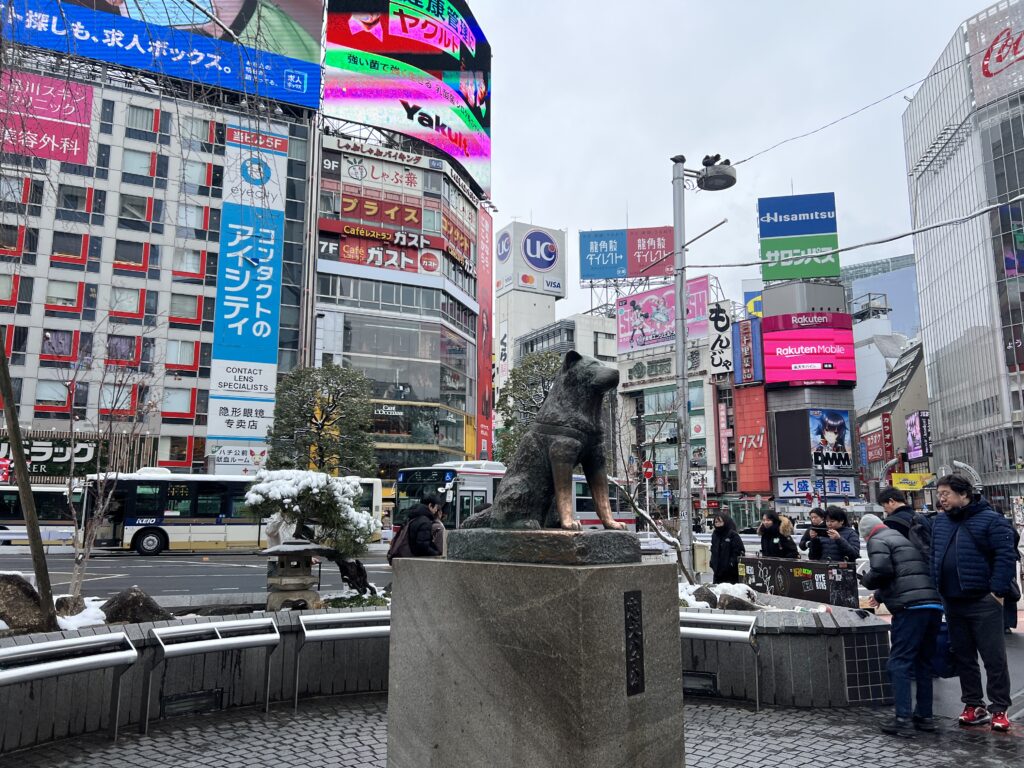
Hachiko Statue
Full transparency: I wasn’t particularly impressed by this statue the first time I saw it. I didn’t get the hype. But once you know the story, it hits differently.
In the 1920s, Hachiko, an Akita dog, would journey to Shibuya Station every day to wait for his owner to return from work. One day, his owner didn’t come back—he had suffered a fatal cerebral hemorrhage. Hachiko didn’t know this. So he returned to the same spot every single day for the next nine years, waiting.
Today, Hachiko is a symbol of loyalty, and the statue in his memory is one of Tokyo’s most popular meeting spots. There’s almost always a line of tourists waiting to take a photo, but now you’ll understand why.
If you’ve got time between the statue and your Shibuya sky appointment, then you could check out the following spots in Shibuya:
- Check out Miyashita Park
- Explore Shibuya 109 – iconic tube shape fashion hub
- Check out BIC Camera – they sell everything
- Don Quijote Shibuya – if you’re ready, venture into Donki just to get the lay of the land
- Visit Tower records – music lovers adore this!
- Shibuya Scramble Square – home to Shibuya Sky & shops, restaurants.
Shibuya Sky
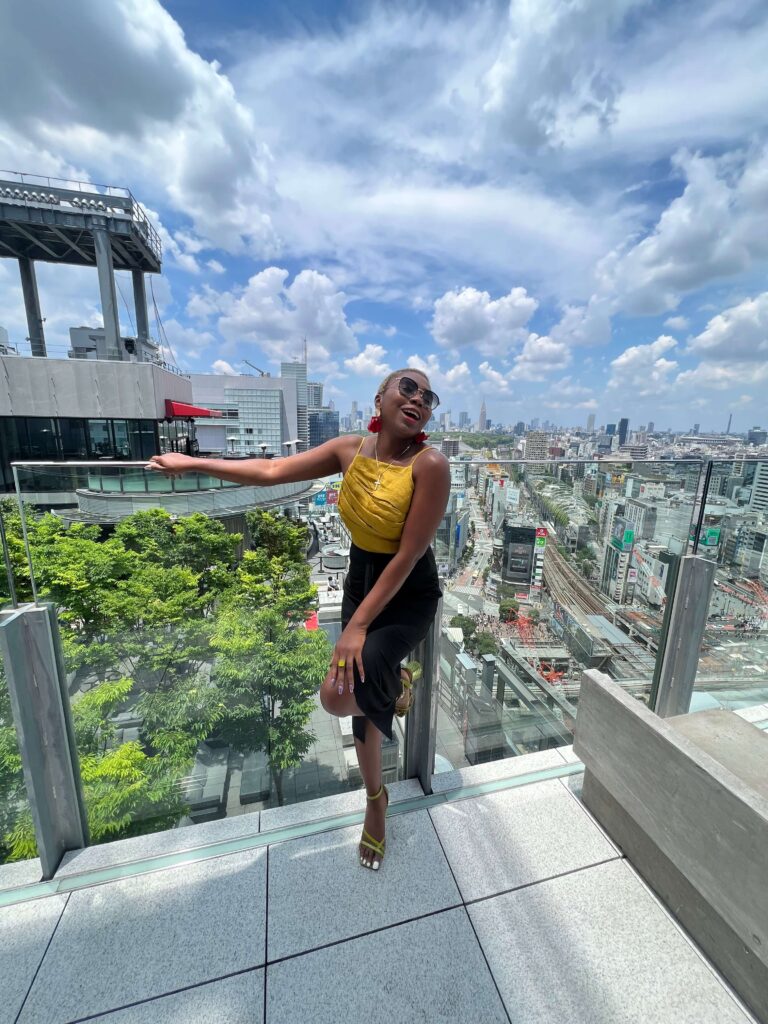
When in Tokyo, you’ve got to see the city from above. Shibuya Sky is my personal top choice (between Tokyo Tower, Tokyo Skytree, and Shibuya Sky). You don’t need tickets to all three—just pick one, and make it this one.
Shibuya Sky offers a 360° rooftop observation deck with incredible views of my favorite endless skyline in the world. On a clear day, you can even spot Mt. Fuji in the distance.
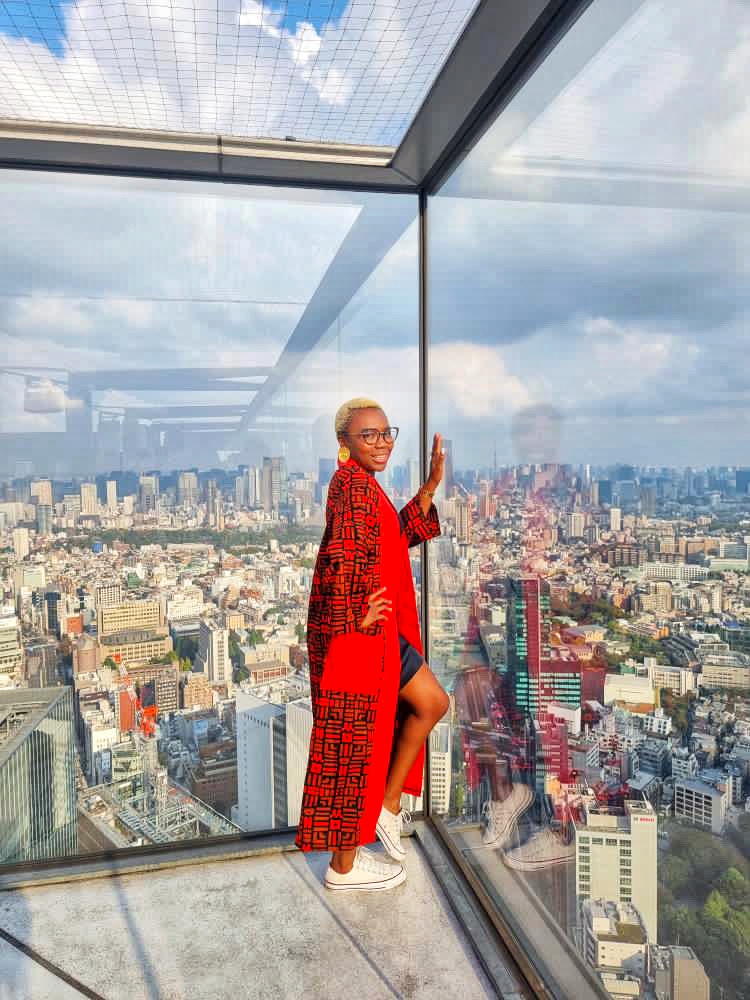
Timing tip: The sun sets surprisingly early in Japan, especially in summer (around 6-7pm depending on the season). Westerners are often shocked by this—I was too! Plan accordingly if you want sunset views.
Must book ahead: Shibuya Sky tickets sell out, especially at sunset. Book online in advance a month in advance right when tickets open up, or you might be out of luck.
How To Book: You can book directly on the Shibuya Sky site but, Klook sometimes has availability when the official site is sold out.
Cost: ¥2,000
Book Your Shibuya Sky Ticket Here
Day 1 – Evening: Shinjuku (6pm-10pm)
I know, it’s a packed day—but we’re not done yet! Head to Shinjuku to see the neon lights after sunset and experience some of the city’s most memorable (and gritty) spots.
Fair warning: Parts of Shinjuku smell like pee. You’ll thank me for telling you not to stay here, but it’s absolutely worth visiting.
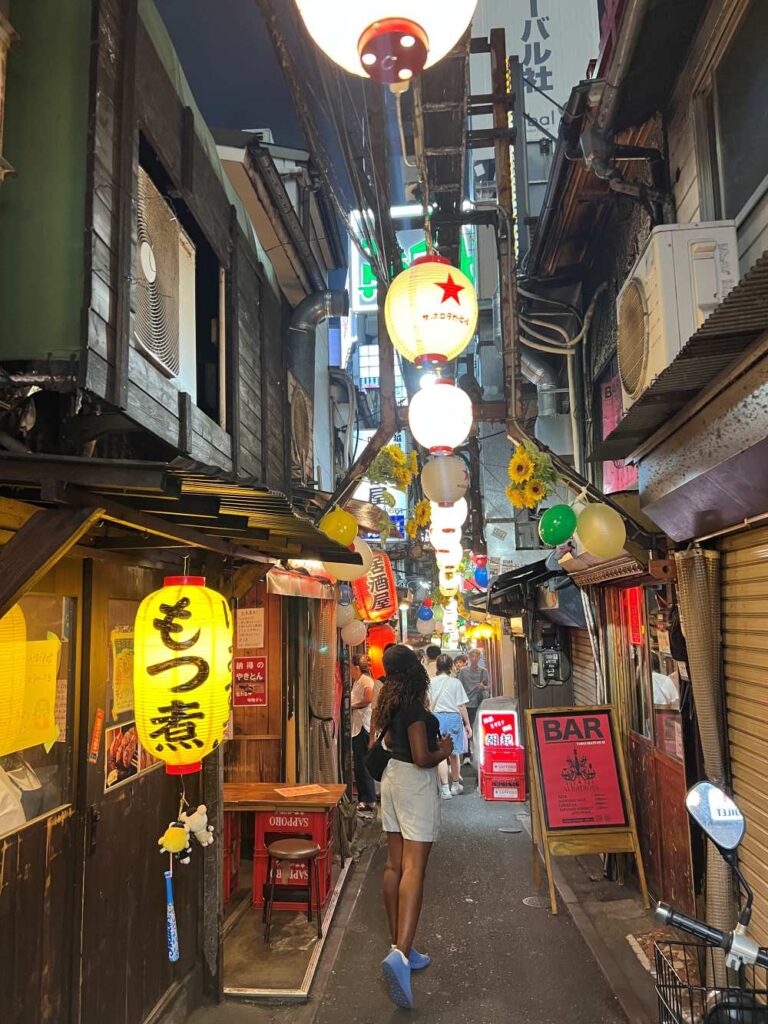
Omoide Yokocho (Memory Lane)
A tiny alleyway packed with yakitori stalls, smoky atmosphere, and local energy. This is old-school Tokyo—cramped, loud, and delicious. Order skewers, grab a beer, and soak it in.
Note: Not ideal with kids (tight spaces, smoking, alcohol-focused).
Golden Gai (Optional)
A collection of narrow alleys lined with tiny bars—each seats 5-10 people max. Cover charges typically apply (¥500-1,000). It’s atmospheric and unique, but my honest take: If there are lines, it’s not worth the wait, just walk around and then head to dinner elsewhere. The vibe is better when you can just walk in and chat with the bartender.
Dinner:
You’ve had a long day already, don’t overthink dinner, just step into an izakaya or restaurant in Shinjuku, there are lots!
Customization Options For Day 1:
Shopping
If you love to shop, spend more time in Harajuku, Omotesando, and Aoyama
Experiences & Nightlife:
- Bar hop in Golden Gai or Shinjuku. Be careful in Kabukicho though
- Take a Headspa break – Ritts Shibuya or The headspa Tokyo also in shibuya
- Go Kart tour – driving around Tokyo in a go Kart
- Book a Food Tour in Shinjuku
Parks
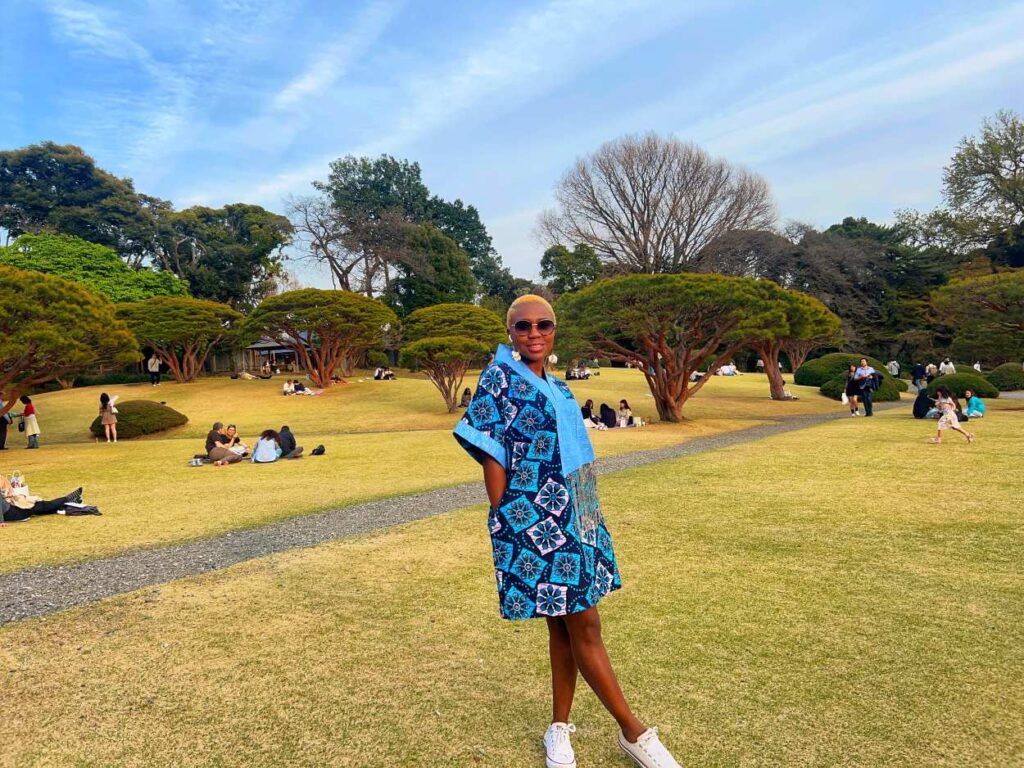
- Shinjuku Gyoen Garden (if time, closes 6pm in summer, 4:30pm in winter, a personal favourite park in the city)
Families with Kids
- Plan on less activities, be selective
- Incorporate one of these themed cafes in your itinerary for the day
- Mipig cafe – Harajuku
- Cafe Reissue – Harajuku – delightful experience for both kids and adults
- Cinamoroll cafe – Shinjuku
DAY 2: TRADITIONAL TOKYO – Asakusa, Ueno, Akihabara
Theme: Old meets new – temples, museums, parks, and geek culture
One of the funniest ironies of Japan is how early the sun rises here, the country is literally ‘land of the rising sun.’ and yet the country does NOT rise up early. But not you though, you’ll rise up early because Tokyo awaits!
Day 2 – Morning: Asakusa (8am-12pm)
Today, it’s time to explore traditional Tokyo, enjoy some more time outdoors, and see Tokyo’s electric town. First, we are heading to Asakusa, Tokyo’s premier historic district.
- Thunder Gate: The iconic outer entrance to Tokyo’s oldest temple. Marked by a massive red lantern and the gateway to Nakamise shopping street
- Nakamise Shopping Street – This street is between Thunder Gate and Senso-ji Temple. Here, vendors sell all sorts of snacks and souvenirs. It is a feast for the eyes, and wallet.
- Senso-ji Temple – Tokyo’s oldest temple (go EARLY to avoid crowds, gates open 6am)
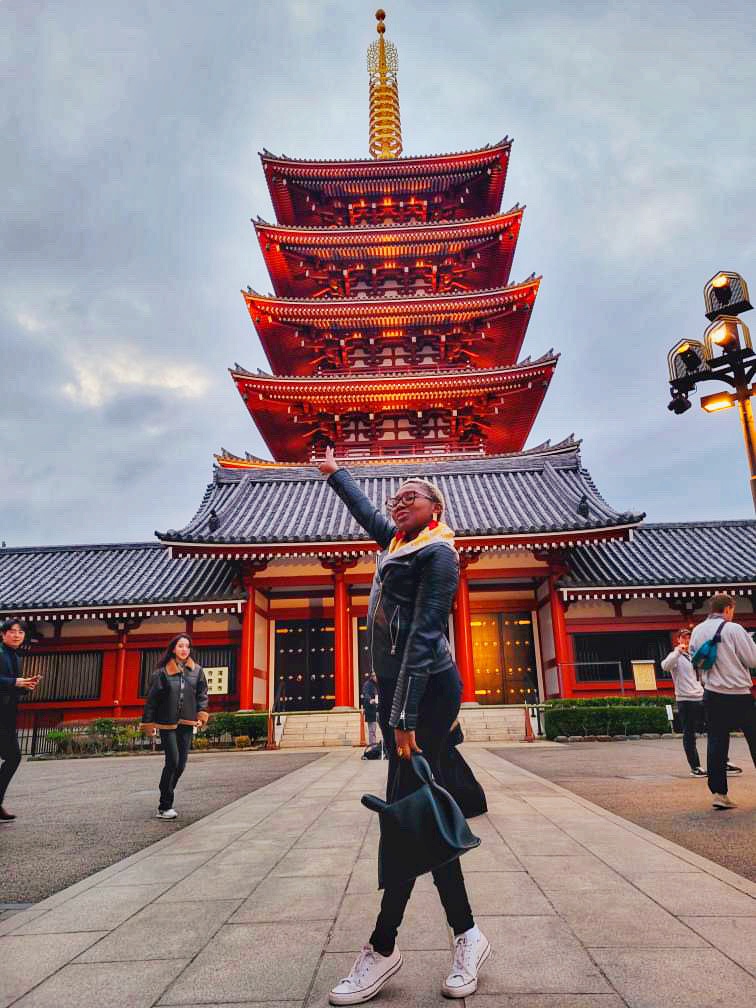
- Sumida River walk – After your temple visit, Sensoji temple is less than a ten minute walk to the Sumida river. Stroll along the river, enjoy views of Tokyo Skytree
- Asakusa Culture Tourist Information Center – Built like wooden buildings stacked on top of each other, this building boasts a free observation deck on the 8th floor. Every weekend, there is a free English walking tour of Asakusa
Optional: Tokyo Skytree (Tembo Deck $42 Adult, $68 for Deck and Galleria adult, can skip and just admire from outside, especially if you’ve already been to Tokyo Tower or Shibuya Sky)
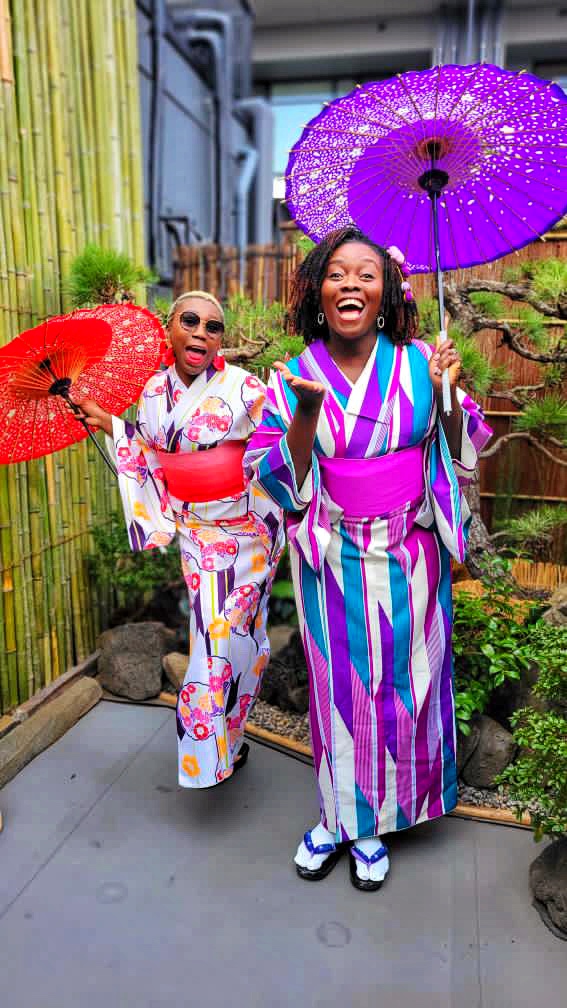
Day 2 – Afternoon: Ueno (12 pm-4 pm)
For the afternoon, you’ll have lunch and continue to explore this part of Tokyo
Lunch: You’ll head over to Ameya-Yokocho Market (next to Ueno station) for street food, cheap eats, and local vibes. I recommend just grabbing something you like or popping into a restaurant with a menu that looks interesting to you. Several spots here offer izakaya style food and drinks at reasonable prices.
Ueno Park & Shinobazu Pond– Ueno park is one of the best spots for Cherry Blossoms in the spring. In June, lovely Hydrangeas bloom here. However, beyond that, it is a lovely space to wander. There are temples, food stalls (tasty too), and the beautiful Shinobazu pond, which is full of lotus flowers, is a beautiful serene oasis in the city. Interested in seeing pandas, then the Ueno zoo is right there too. You can also rent a row boat or swan boat for a fee. It is a great area for locals and tourists alike to take in the city.
Foodies and Chefs: For many, buying a Japanese kitchen knife is high on their list, then head to Kappabashi Street (kitchenware district/street) to explore and make your purchase. You’ll not only find knives here, you’ll also find beautiful ceramic ware.
Day 2 – Evening: Akihabara (4 pm-9 pm)
I’m personally not at all into anime, manga, or arcades, but two sets of my guests were. So, off we went to explore Tokyo’s electric town, Akihabara. This part of Tokyo is the ultimate hub for all things otaku (Japanese geek culture), electronics, anime, manga, and gaming.
When in Akihabara for the evening, explore these areas:
- Electric Town – Anime, manga, electronics, arcades
- Shops: Mandarake (used manga), Animate, Yodobashi Camera (8 floors of electronics, if you skipped BIC camera on day 1), GiGo
- Retro gaming arcades – Taito Hey, Taito Station, Bandai Namco, GiGo 1, 3, and 5 Akihabara, and Super Potato (vintage games)
- Dinner: Themed restaurant if that’s your thing (Gundam cafe, Final Fantasy cafe)
Customization Options:
- Culture nerds: Spend all afternoon in Ueno museums, skip Akihabara
- Anime/manga fans: All afternoon/evening in Akihabara
- Museum Lovers: Choose ONE museum (if interested):
- Tokyo National Museum (¥1,000, Japanese art and history)
- National Museum of Nature and Science (¥630, fun for families)
DAY 3: FOOD & LUXURY – Tsukiji, Ginza, Roppongi/Tokyo Tower
Three days in and you’re finding your rhythm in Tokyo. You’re noticing both the big and the subtle—the jingles of the different train lines, the queues at shops and restaurants, the quiet on the trains. Today, you’re going to indulge in Tokyo’s culinary scene and take in some upscale experiences.
DAY 3 – Morning: Tsukiji Outer Market (7am-11am)
Tsukiji Market opened in 1935 as Tokyo’s main fish market and was once the largest wholesale fish and seafood market in the world. In 2018, the inner wholesale market (famous tuna auctions) moved to Toyosu Market, but the outer market is still thriving with over 400 vendors and restaurants.
What to do:
- Fresh sushi breakfast – Walk around and eat at different stalls. I’ve never had bad sushi here. You can wait 1-2 hours for famous spots like Sushi Dai or Daiwa Sushi, OR skip the lines and try smaller stalls (just as delicious, no wait).
- Street food crawl – Tamago (egg omelet), grilled scallops, uni (sea urchin), matcha ice cream, taiyaki. Nothing better that going with a pro, book this Tsukiji street food tour. This is what I did during my first month living in Japan, and it’s still one of my favorite Tokyo memories.
- Walk the market – Browse knife shops, tea vendors, and kitchen tools. If you didn’t make it to Kappabashi Street (kitchenware district) earlier, this is your second chance.
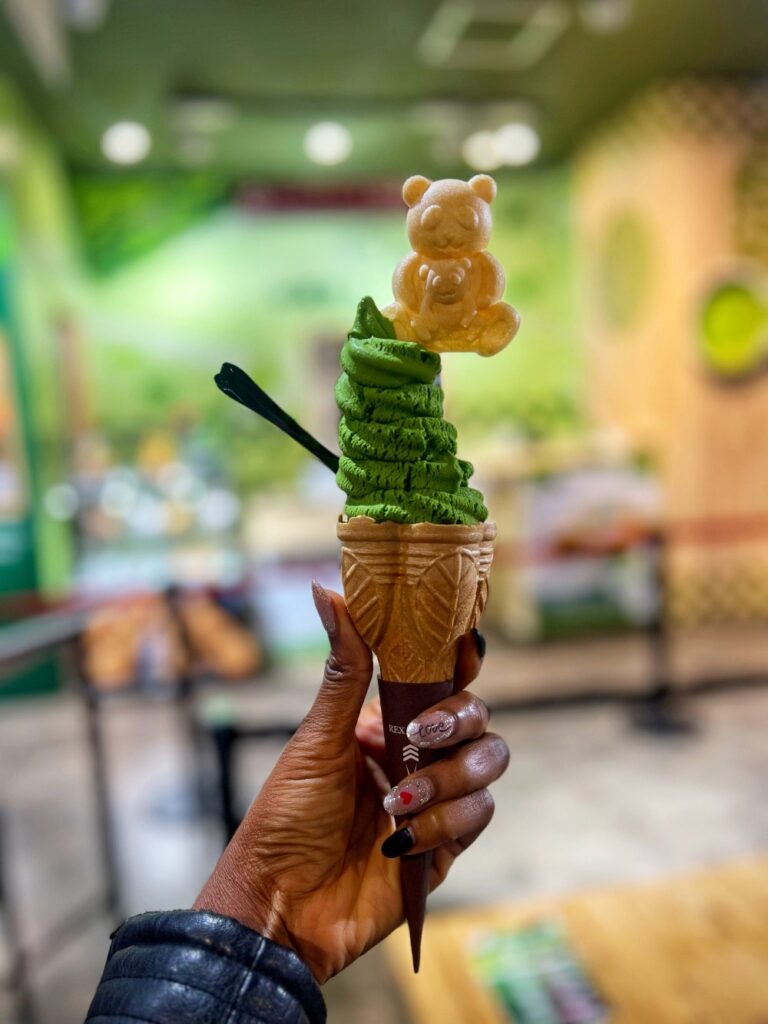
Pro tip: Arrive early (7-8am) to beat the crowds and get the freshest food.
Optional Alternative – Toyosu Market (For Die-Hard Fish Market Fans):
Skip Tsukiji and head to Toyosu Market at 5am to witness the legendary bluefin tuna auction—an event seen by only a select few. Grab sushi for breakfast there instead of Tsukiji. Bonus: Toyosu is minutes away from teamLab Planets if you want to add that to your morning.
Day 3 – Late Morning/Afternoon: Ginza (11am-4pm)
Time for more shopping! Ginza is Tokyo’s luxury district, but it also has plenty of accessible options.
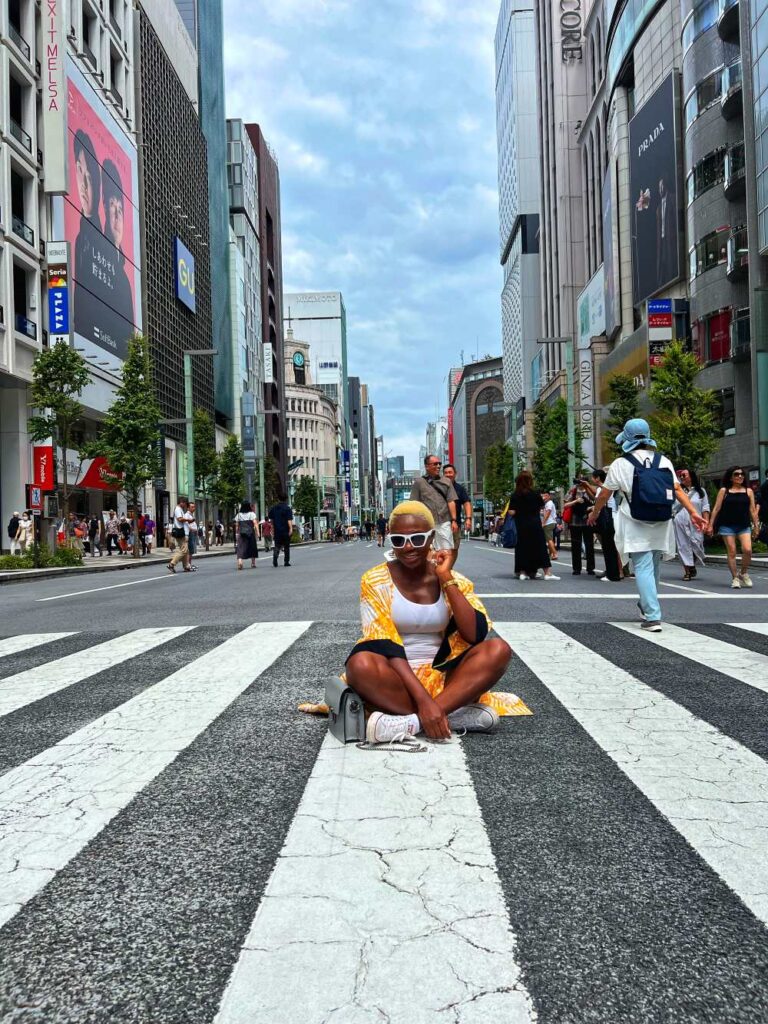
Shopping:
- Luxury flagships – Hermès, Chanel, Dior (window shopping is free and the architecture is stunning)
- Accessible shopping – Uniqlo Ginza (12-floor flagship), Muji Ginza, GU
- Japanese stationery heaven – Itoya (12 floors of pens, notebooks, beautiful paper goods—perfect gifts)
- Japanese luxury brands – Seiko (watches), Shiseido (skincare/cosmetics), Mikimoto (original cultured pearl store, founded in Ginza)
Ginza Six
Modern department store with a rooftop garden (free, nice city views) and an incredible basement food hall.
Lunch: Depachika
Department store basements are home to depachika—stunning food halls with beautifully packaged bento boxes, sushi, tempura, wagashi (Japanese sweets), and more. It’s a feast for the eyes and stomach.
Where to go:
- Mitsukoshi (classic, traditional)
- Ginza Six (modern, trendy)
- Wako (upscale, iconic clock tower building)
Day 3 – Evening: Azabudai Hills, Roppongi, or Tokyo Tower (4pm-10pm)
For the evening, you’re spoilt for choice. Either way, you’ll be spending time in the upscale Roppongi or Azabujuban neighborhoods—popular with expats, embassies, and international crowds. I spend a lot of time here personally. Roppongi is also known for nightlife, but it’s more upscale compared to Shinjuku or Shibuya.
Choose your evening:
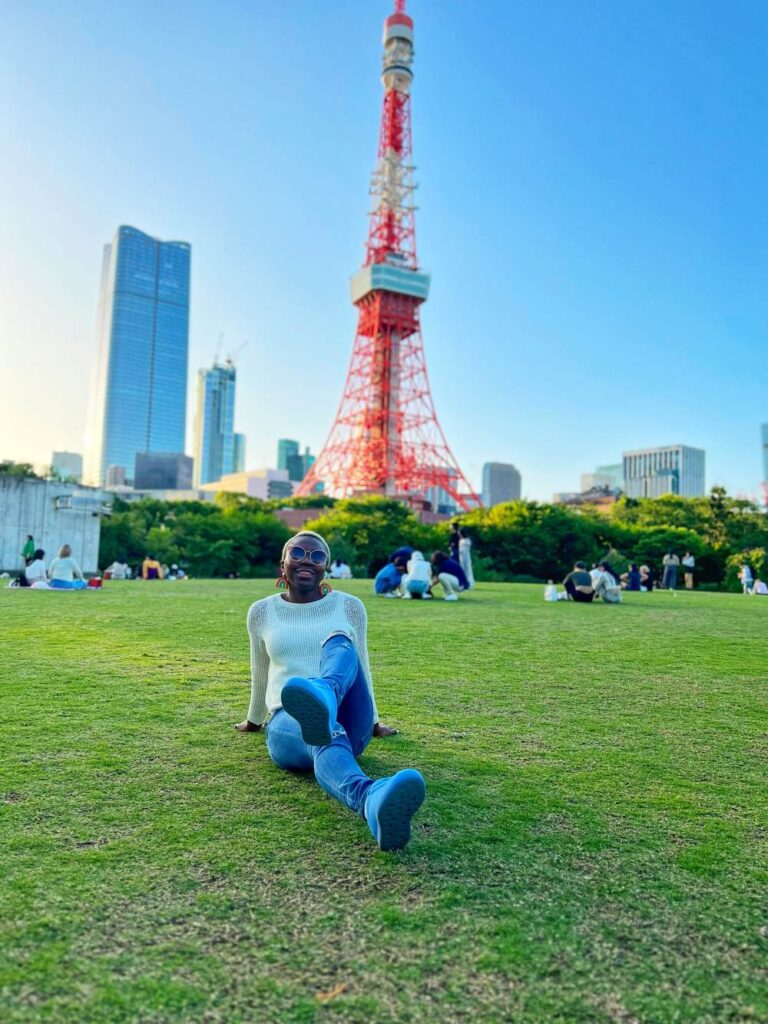
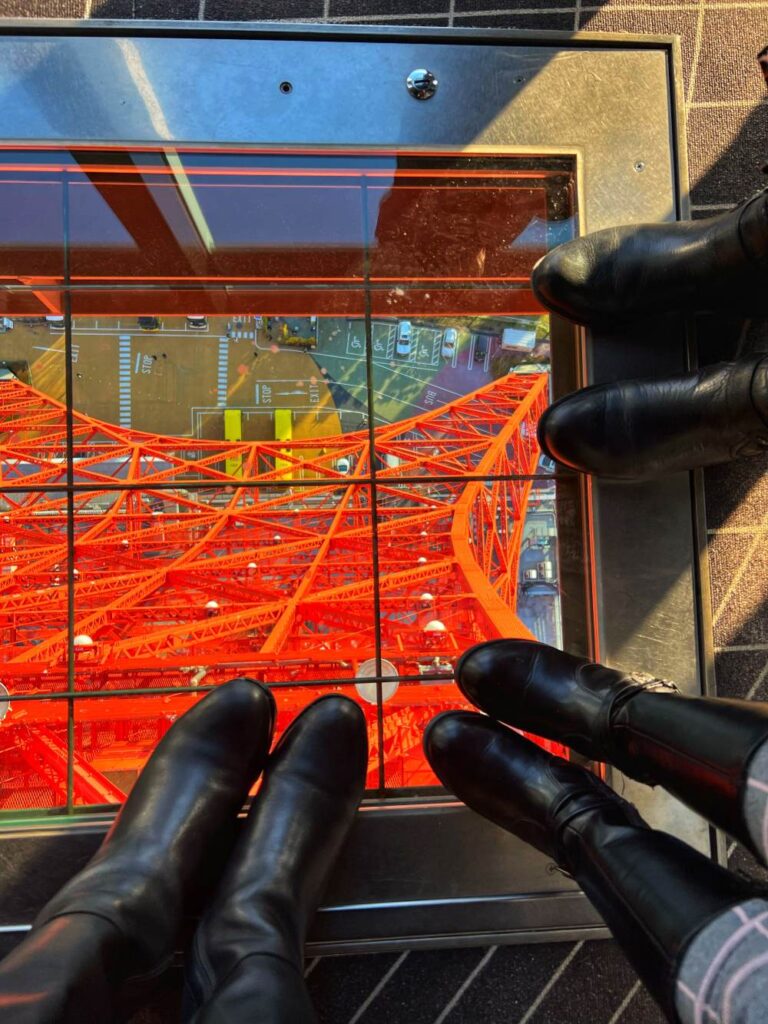
Option A: Tokyo Tower
The iconic red tower (yes, it looks like the Eiffel Tower). Nostalgic, classic Tokyo vibes. I loved bringing my niece here.
Cost: ¥1,200 for main deck, ¥2,800 for top deck
Option B: Roppongi Hills
Mori Tower observation deck, luxury shopping complex, upscale dining.
Cost: ¥2,000 for observation deck
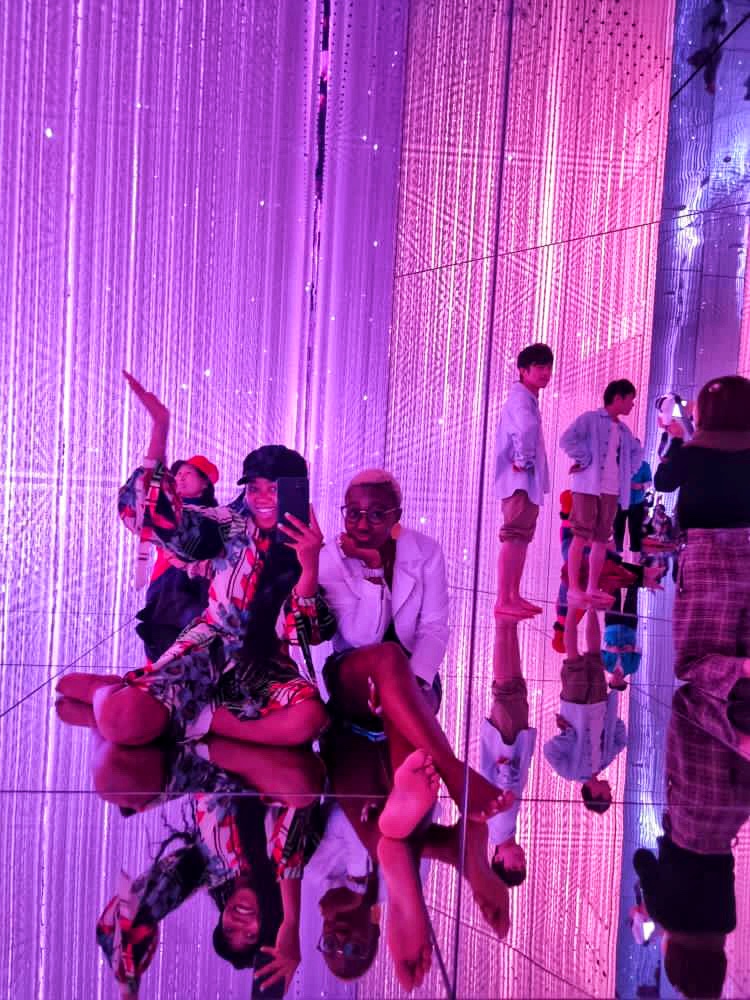
Option C: teamLab Borderless
Mind-blowing digital art museum. Immersive, Instagrammable, unlike anything you’ve seen. Book ahead here, it sells out!
Cost: ¥3,800
Book teamLab Borderless tickets here
Dinner:
Azabudai Hills and Roppongi have incredible international dining (Italian, French, Spanish) or go traditional with kaiseki or omakase.
Where to Eat on Day 3:
Breakfast: Tsukiji Outer Market (sushi, street food) OR Toyosu Market (if doing tuna auction)
Lunch: Ginza depachika (department store food halls), Tonki (tonkatsu), Kyubey (high-end sushi)
Dinner: Azabudai Hills, Roppongi izakaya, kaiseki, or omakase
Customization Options:
Luxury lovers: Spend all day in Ginza—spa treatment, high-end shopping, Michelin-starred lunch or sushi omakase
Art lovers: teamLab Borderless + Mori Art Museum (both in Roppongi)
Budget travelers: Skip Ginza shopping, focus on Tsukiji street food and free observation decks (Ginza Six rooftop)
DAY 4: DAY TRIP – Kamakura, Nikko, Mount Fuji or Hakone
On your fourth day, it’s time to get out of the city and see a different side of Japan—a slower pace, different scenery, but still close enough for a day trip. I’ve been to all of these places, and they make excellent day trip options. The hard part? You’re spoilt for choice.
DAY 4: DAY TRIP – Kamakura, Nikko, Mount Fuji, or Hakone
On your fourth day, it’s time to get out of the city and see a different side of Japan—a slower pace, different scenery, but still close enough for a day trip. I’ve been to all of these places, and they make excellent day trip options. The hard part? You’re spoilt for choice.
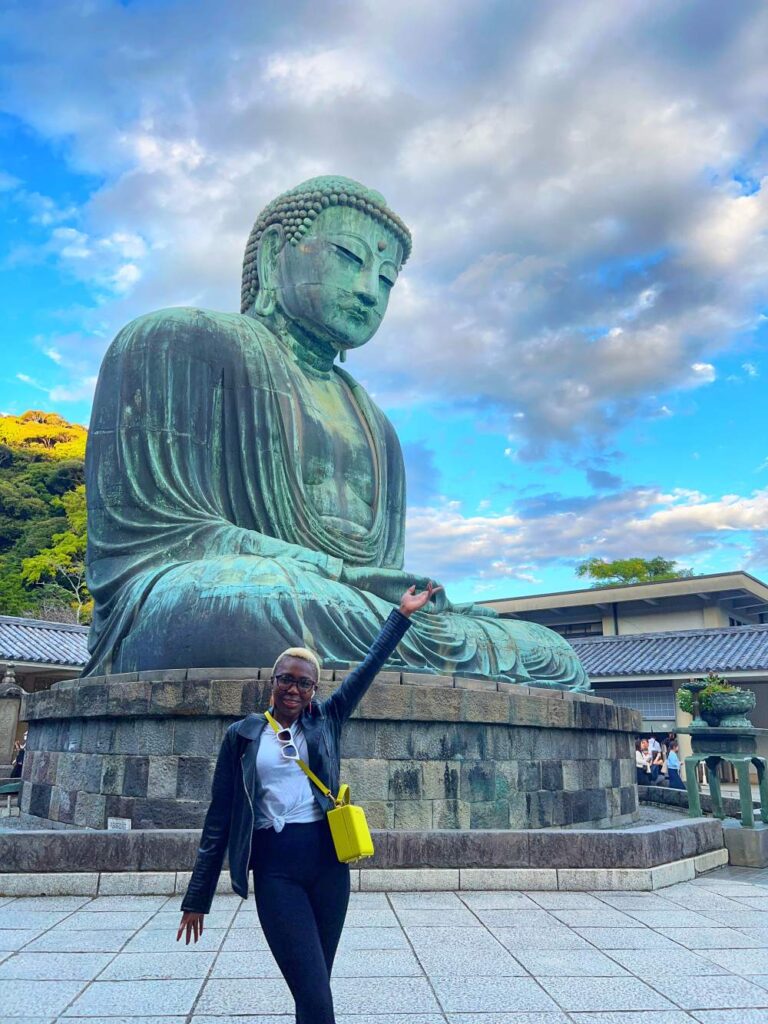
OPTION A: KAMAKURA (Best for: temples, beach town vibes, easy day trip)
I went to Kamakura during my very first month living in Japan, and I was surprised by how different it felt from Tokyo despite being only an hour away. I had a lazy Saturday start, so I didn’t make it to Enoshima that day—but it’s very doable if you leave earlier. This is my top day trip recommendation for most people.
Distance: 1 hour from Tokyo
Cost: ~¥2,000-3,000 round-trip
Vibe: Laid-back coastal town with temples and beaches
Itinerary:
- Morning: Great Buddha (Kotoku-in Temple), Hase-dera Temple
- Afternoon: Tsurugaoka Hachimangu Shrine, Komachi Street (shopping/food)
- Optional/End of Day: Enoshima Island (beach, caves, shrine)
- Return to Tokyo by evening
Best for: First-timers who want an easy, relaxed day trip
OPTION B: NIKKO (Best for: nature, UNESCO temples, waterfalls)
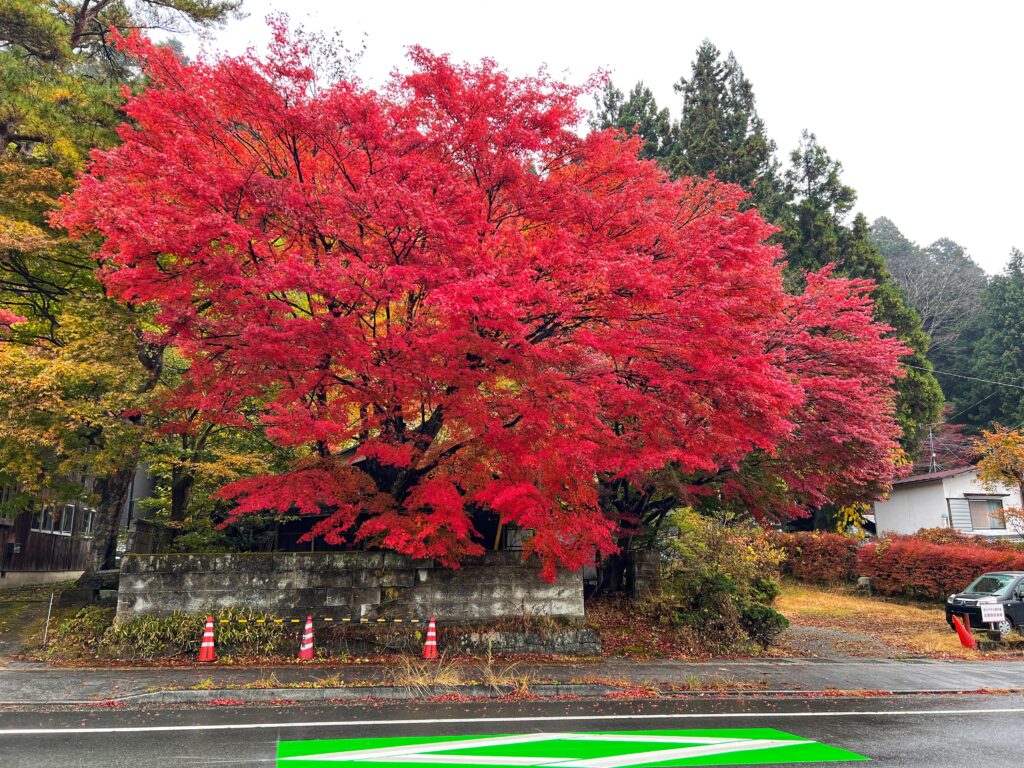
Nikko was on my list for ages, but I waited until autumn to see the world-famous fall foliage—and it was absolutely worth it. It makes for a longer day since it’s farther from Tokyo than Kamakura, and October weekends are packed with leaf-peepers, trains sell out (speaking from experience)! If you can, go on a weekday to avoid crowds. That said, I think summer would be beautiful too—lush and green!
Distance: 2 hours from Tokyo
Cost: ~¥4,000-6,000 round-trip (or use JR Pass if you have one)
Vibe: Mountain town, ornate shrines, waterfalls, natural beauty
Itinerary:
- Arriving: Take the first express train from Tokyo to maximize your time
- Morning: Toshogu Shrine (UNESCO World Heritage Site, incredibly ornate)
- Afternoon: Kegon Falls, Lake Chuzenji, nature walks
- Return to Tokyo by evening (plan to leave at or right after sunset—no sightseeing in the dark!)
Best for: Nature lovers, history buffs, people who want dramatic scenery
OPTION C: HAKONE (Best for: Mt. Fuji views, hot springs, art museums)
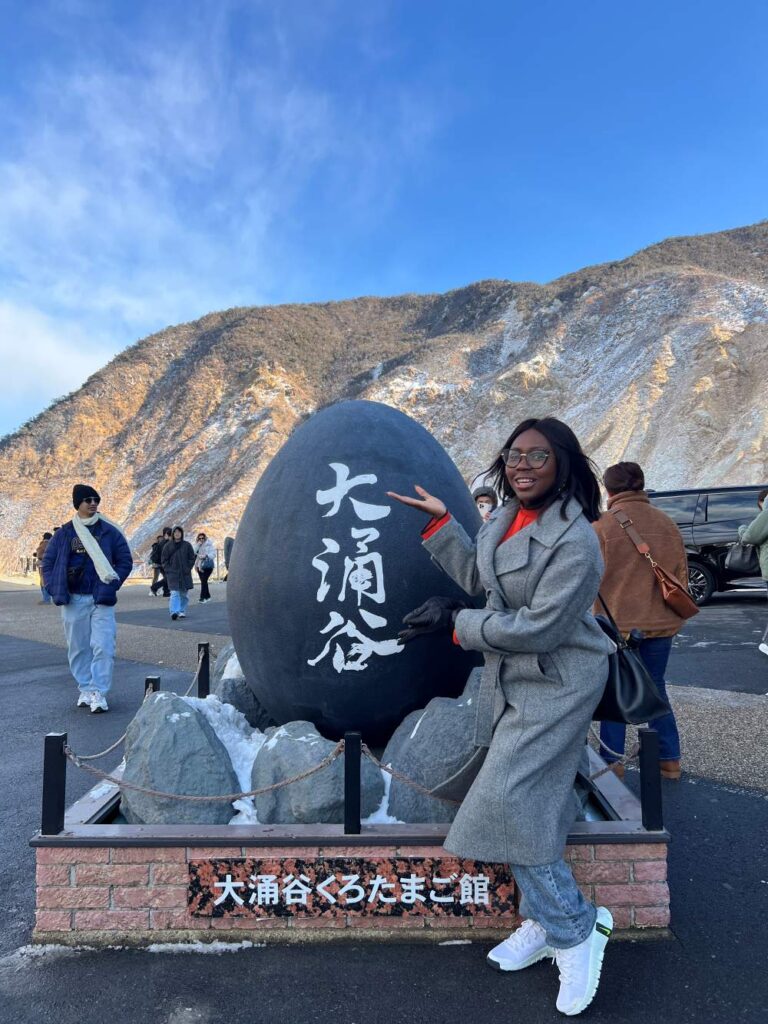
Hakone is a scenic onsen (hot spring) resort town about 1.5 hours from Tokyo, known for stunning Mt. Fuji views (weather permitting), volcanic valleys, Lake Ashi boat cruises, and excellent museums. I recently spent a weekend in Hakone and kicked myself for not visiting sooner.
Distance: 1.5 hours from Tokyo
Cost: ~¥4,000-6,000 (Hakone Free Pass recommended—covers trains, cable cars, boats, and buses)
Vibe: Onsen town, mountain scenery, Lake Ashi, Mt. Fuji views
Itinerary:
- Morning: Hakone Open-Air Museum or Hakone Shrine (lakeside torii gate is iconic)
- Afternoon: Lake Ashi pirate ship cruise, Hakone Ropeway for Mt. Fuji views
- Optional: Onsen/hot spring experience
- Return to Tokyo by evening OR stay overnight (overnight is better for the full onsen experience but only if you have the extra time)
Best for: Mt. Fuji chasers, onsen lovers, art enthusiasts
OPTION D: MOUNT FUJI AREA (Best for: Mt. Fuji views + shopping)
Mount Fuji (known as Fuji-san to locals) is Japan’s most iconic mountain, and visiting the Fifth Station or surrounding areas makes for a memorable day trip.
Distance: 2-2.5 hours from Tokyo
Cost: ~¥5,000-7,000 round-trip (bus or train + bus), more for a private tour
Vibe: Mountain views, lake views, nature, outlet shopping
Itinerary:
- Morning: Mt. Fuji Fifth Station (accessible by bus, weather permitting—check conditions before you go!)
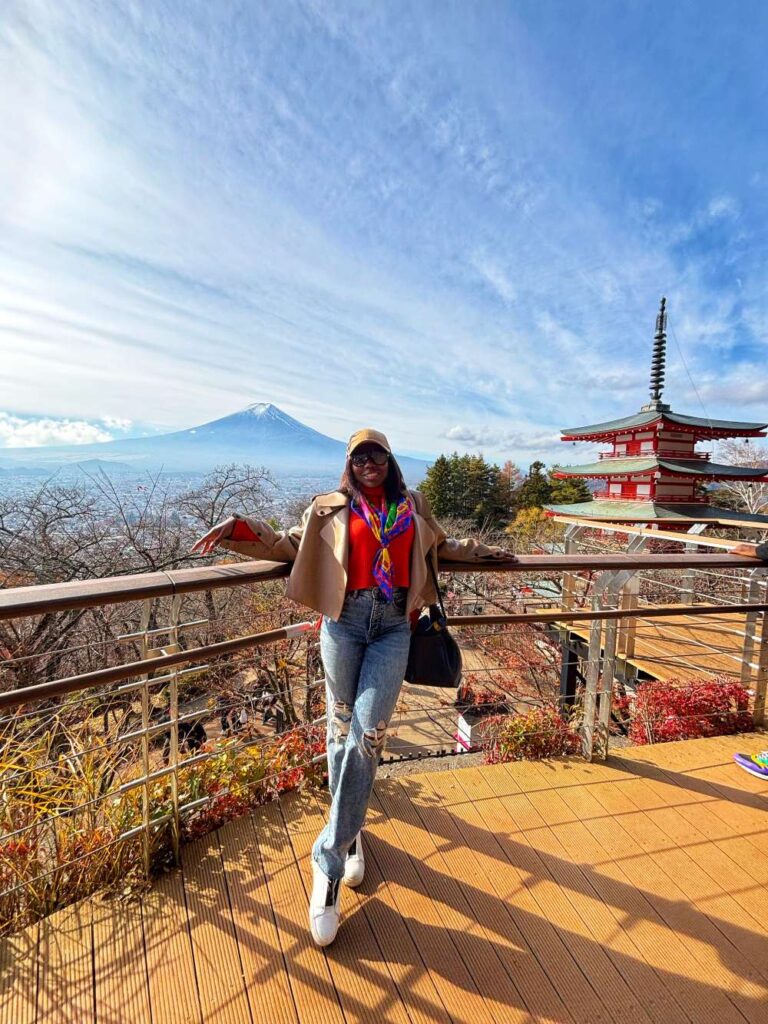
- Afternoon: Gotemba Premium Outlets (massive outlet mall at the base of Mt. Fuji) OR Chureito Pagoda (iconic red pagoda with Mt. Fuji backdrop—best in autumn and cherry blossom season), Lake Kawaguchiko
- Return to Tokyo by evening
Important note: Mt. Fuji is notoriously shy. It’s often hidden by clouds, especially in summer. Clear skies are most common in winter (November-February). If seeing Fuji is your main goal, check the weather forecast and be prepared to pivot if visibility is low.
Best for: Mt. Fuji bucket-list chasers, shoppers who want designer outlets, photographers
My Recommendation:
- First time in Japan? → Kamakura (easiest, most balanced)
- Want nature/waterfalls? → Nikko in Summer or Autumn
- Want Mt. Fuji + onsen? → Hakone (but consider staying overnight if possible)
- Want Mt. Fuji + shopping? → Mount Fuji area day trip
Alternative/Customization:
- Skip the day trip and spend Day 4 exploring Tokyo neighborhoods you haven’t seen yet (Daikanyama, Shimokitazawa, etc.)
- Traveling with kids? Spend the day at Tokyo Disneyland or DisneySea
Book Day Trips & Experiences:
Don’t want to DIY your day trips? These guided tours take care of logistics:
- Kamakura & Enoshima Day Trip
- Nikko UNESCO Temples & Waterfalls
- Mt. Fuji & Hakone Full Day Tour
- Shinjuku Food Tour
Browse all Tokyo tours on Klook, Viator or GetYourGuide.
DAY 5: HIDDEN GEMS & FLEX DAY – Your Choice
Theme: Explore quieter neighborhoods, revisit favorites, or catch what you missed
It’s your final day in Tokyo, and this day is intentionally flexible. I always recommend saving room for magic on trips, and Tokyo absolutely deserves a magic day. Explore based on what you loved most from Days 1-4, or venture into new neighborhoods without an agenda. In my opinion, a perfect Tokyo day is riding the metro, getting off somewhere new, and wandering without a plan. Some of my best Tokyo moments have happened this way.
OPTION A: UNIQUE NEIGHBORHOODS
Shimokitazawa Tokyo’s bohemian district is known for vintage shops, indie cafes, small theaters, and a thriving literary and music scene. Perfect for thrifting, coffee, and wandering without purpose.
Daikanyama One of my favorite neighborhoods in Tokyo. Upscale but laid-back, easily accessible from Shibuya (15-minute walk). Don’t miss Tsutaya Bookstore—it’s a design lover’s dream—and the high-end fashion boutiques scattered throughout.
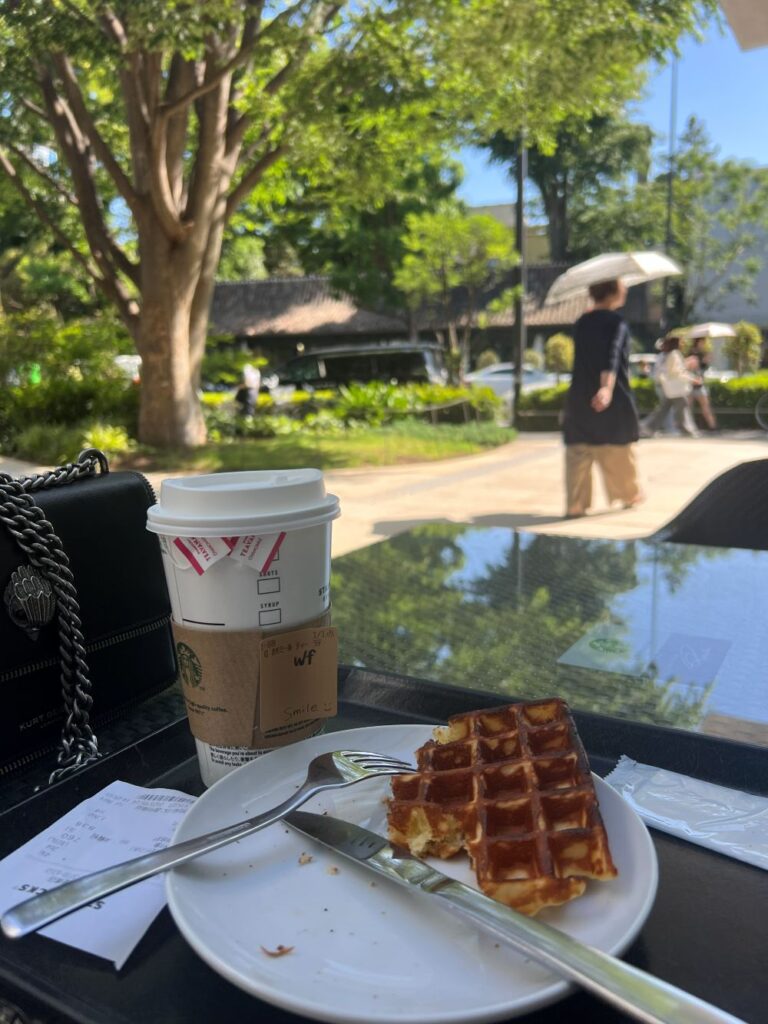
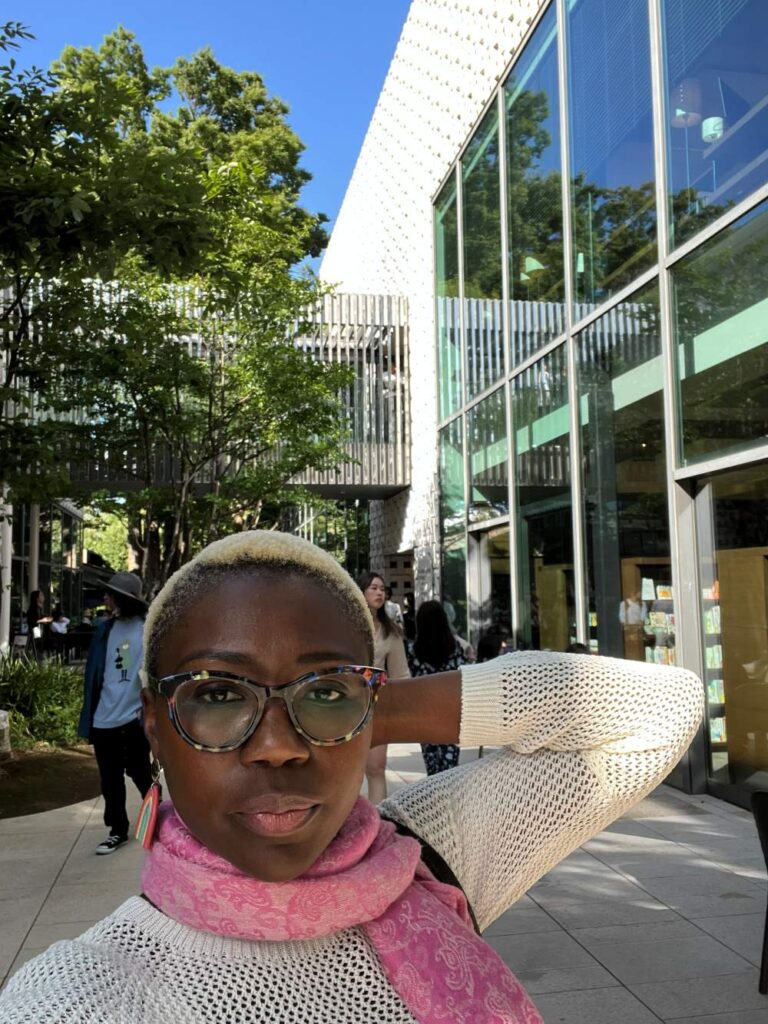
Nakameguro Canal-side cafes, trendy restaurants, and some of the best people-watching in Tokyo. Great for brunch and afternoon strolling. Fair warning: If you’re visiting during cherry blossom season, Nakameguro gets absolutely packed. Go early or embrace the crowd, it’s stunning either way.
Suggested Route: Shimokitazawa (morning) → Daikanyama (afternoon) → Nakameguro (evening)
OPTION B: CATCH WHAT YOU MISSED OR REVISIT WHAT YOU LOVED
No shame in going back! Use this day to:
- Revisit a neighborhood that stole your heart
- Do activities you skipped (teamLab, Tokyo Tower, Disneyland or DisneySea, extra museums)
- Finish shopping – sometimes you need a few days to decide if you really want that ¥50,000 piece of ceramics, all that Japanese skincare, that vintage Chanel bag, or those Akoya pearl earrings (you do!)
- Indulge in a special food experience: sushi omakase, tempura course, wagyu yakiniku
Final Dinner: Make It Special
Regardless of how you spend Day 5, please make special plans for your final dinner in Tokyo. This city has some of the best restaurants in the world – use that to your advantage.
Whether it’s an omakase experience, a kaiseki dinner, a rooftop with city views, or a Michelin-starred restaurant, or returning to your favourite ramen spot, your last meal in Tokyo deserves to be memorable. You can thank me later.
PRACTICAL TIPS
Money:
- Carry cash (carry ¥5,000 at all time)
- 7-Eleven ATMs accept foreign cards. When all else fails, 7-11 does not!
- Many small restaurants/shops are still cash-only but several regular shops accept cards
Language:
- Google Translate is your friend, use the camera function for menus! Game changing!
- Learn basics: Sumimasen (excuse me), Arigatou (thank you), Kudasai (please)
- Most menus have pictures
Etiquette:
- Don’t eat/drink while walking or on trains (except for shinkansen)
- Stand on left on escalators (right in Osaka)
- Quiet on trains, if you have to speak, use your inside voice
- No tipping
- Carry your trash
WiFi:
- Rent pocket WiFi at airport OR get eSIM (more convenient option)
- Get an international plan from your carrier
WHAT PEOPLE WISH THEY’D KNOWN
- Tokyo is HUGE – don’t try to see everything. You can’t!
- Few restaurants are open for breakfast before 10am. Plan accordingly
- Convenience stores are lifesavers (food, ATMs, toilets, snacks)
- A coin purse is essential
- Prepare to stand in line at some point
- Subway closes around midnight, opens around 5:30am – plan accordingly
- Eating alone is totally normal
- Google maps will get you anywhere
FAQ
Is 5 days enough for Tokyo?
Yes! 5 days is a great amount of time for first-timers. You’ll cover major highlights, explore different neighborhoods, and maybe do a day trip.
Can I do a day trip from Tokyo?
Yes! Kamakura, Mount Fuji, Nikko, and Hakone are all doable day trips. Day 4 covers day trip options.
Is Tokyo safe for solo travelers?
Extremely safe. Tokyo has very low crime. Solo travel (especially for women) is common and easy. Trust me, I live in Tokyo as a single Black woman.
Do I need to speak Japanese?
No, but it helps. Google Translate, picture menus, and English signage make it manageable. Learning basic phrases is respectful and appreciated.
CONCLUSION
5 days in Tokyo is the perfect amount of time to fall in love with the city without feeling rushed. You’ll experience the lights and chaos of Shinjuku and Shibuya, the peaceful temples of Asakusa and Meiji Jingu, world-class food, and maybe even escape the city for a day.
I’ve lived in Tokyo for 2.5 years and I’m still discovering new corners. Don’t stress about seeing everything – Tokyo rewards curiosity and wandering. Get lost in a neighborhood, eat all the ramen, drink sake, umeshu, and shochu, eat enough sushi for a year, strike up a conversation with a friendly local, sit in a park, and soak in the beautiful collision of tradition and innovation that makes Tokyo, Tokyo.
Tokyo will surprise you (and exceed your step goals). Embrace it. Let it.
Related Tokyo Posts:

This is such a well put together itinerary. 5 days in Tokyo really does feel like a complete trip on its own. I love the day trip suggestions as well. I’ve been lucky enough to visit all of them, some as overnight stays and others just as day trips, and they’re all so worth it. Reading this makes me want to go back and experience a few of them again at a slower pace. + I totally agree with the recommendation about staying outside Shinjuku and Shibuya. Then again, I am not in my twenties, lol